
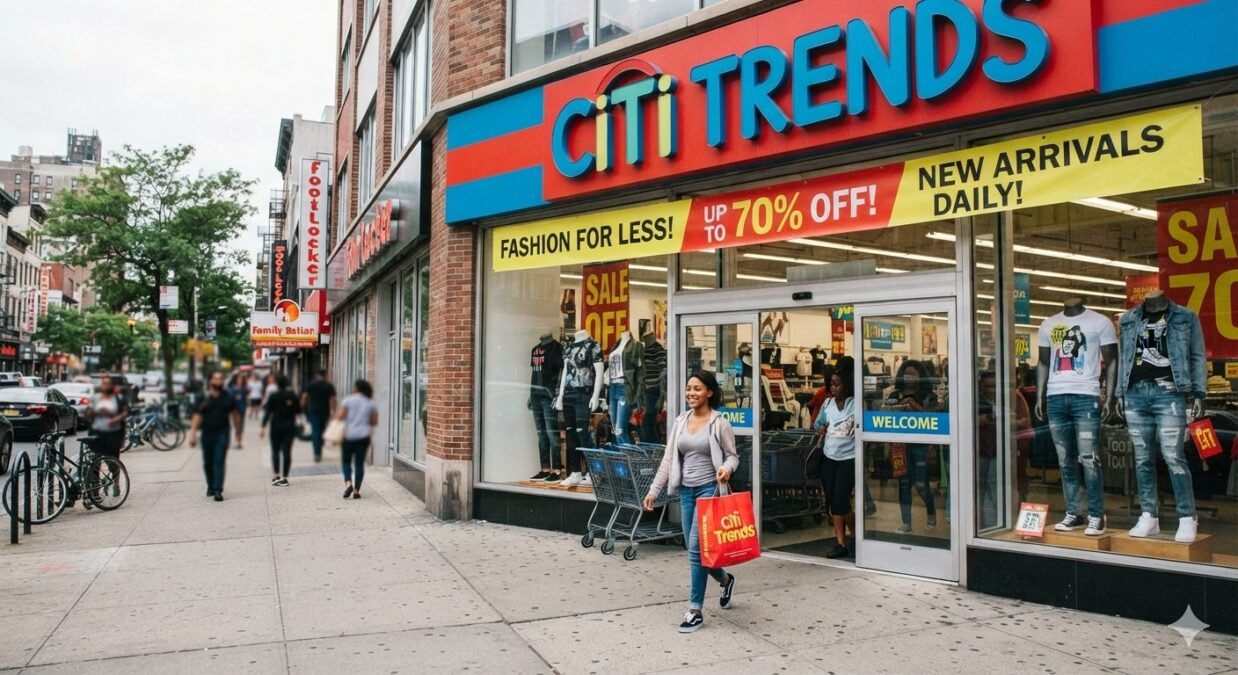

Citi Trends is a well-known American off-price retailer that brings affordable fashion, useful home products, footwear, and accessories to communities across the United States. The company has built its identity around an important idea: shoppers should be able to find stylish products without spending too much money. In a world where families are becoming more careful about their budgets, that idea has become increasingly important.
The name citi trends is often connected with affordable clothing, trendy styles, family shopping, and value-focused retail. Unlike some fashion stores that focus mainly on expensive labels or seasonal luxury, Citi Trends aims to combine fashion with everyday affordability. This approach makes the retailer interesting to shoppers who want to look good, stay current, and still manage their household budgets.
Citi Trends offers products for women, men, and children. Its merchandise also includes footwear, accessories, and home-related products. The company operates neighborhood stores and focuses strongly on understanding the communities it serves.
Whether you’re a regular shopper, a parent looking for affordable family clothing, or someone researching American retail brands, learning about citi trends can help you understand why value-based fashion continues to attract customers.
What Is Citi Trends?
Citi Trends is an off-price retail company based in Savannah, Georgia. It specializes in affordable apparel, accessories, footwear, and home merchandise.
The retailer is particularly focused on serving Black consumers and communities while providing products for the entire family. Its stores are designed to offer a broad selection of styles at prices that can fit different budgets.
The company follows a treasure-hunt style of shopping. This means customers may visit a store without knowing exactly what they will find. They can discover clothing, shoes, accessories, seasonal products, or branded items during each visit.
This shopping experience can make a simple trip to a store more exciting.
Some important characteristics of Citi Trends include:
- Affordable fashion
- Family-focused merchandise
- Women’s clothing
- Men’s clothing
- Children’s clothing
- Shoes and footwear
- Accessories
- Home products
- Trend-focused styles
- Off-price shopping
- Neighborhood-based stores
The combination of these categories allows customers to shop for several members of the family in one location.
Why Citi Trends Stands Out
The retail market is highly competitive. Customers have many choices, from large department stores to online marketplaces and specialty fashion brands. So, what makes citi trends different?
One major factor is its focus on value.
Many shoppers don’t simply want the cheapest product available. They want something that looks good, feels useful, and has a reasonable price. Citi Trends attempts to balance these factors.
Its retail model is built around several important ideas:
Affordable Prices
Price is one of the strongest reasons people visit off-price stores. Customers can look for products that provide good value without paying specialty-store prices.
Trendy Merchandise
Affordable doesn’t have to mean boring. Citi Trends focuses on fashionable and trend-relevant merchandise so shoppers can keep up with changing styles.
Family Shopping
The store offers products for women, men, and children. This makes it possible for families to shop for multiple needs during one visit.
Community Connection
Citi Trends places stores in communities where its target customers live and shop. This neighborhood approach can create familiarity and repeat visits.
Treasure-Hunt Experience
The merchandise mix can change frequently. As a result, customers may discover something new each time they visit.
Citi Trends and Its Product Categories
One of the strongest parts of the citi trends shopping experience is its broad merchandise selection.
Instead of focusing on only one type of product, the company offers several categories.
| Product Category | What Shoppers May Find |
|---|---|
| Women’s Fashion | Tops, bottoms, dresses, outerwear and more |
| Men’s Fashion | Shirts, pants, casualwear and seasonal clothing |
| Children’s Clothing | Fashion, basics and everyday outfits |
| Footwear | Shoes for different members of the family |
| Accessories | Bags, jewelry, fashion accessories and other items |
| Home | Selected household and decorative products |
| Seasonal Items | Products connected with holidays and changing seasons |
This broad selection gives customers flexibility. Someone visiting for a pair of shoes might also find a shirt, accessory, or household item that fits their needs.
That’s part of what makes off-price shopping attractive.
Women’s Fashion at Citi Trends
Women’s clothing is an important part of the Citi Trends merchandise mix.
Customers can find different styles designed for everyday life, casual occasions, seasonal needs, and fashion-focused looks. The selection can include different sizes and clothing categories, helping shoppers search for outfits that match their personal preferences.
Fashion changes quickly. One season may bring relaxed clothing, while another may highlight bold colors, different silhouettes, or new patterns.
For shoppers, the benefit of a retailer like Citi Trends is the opportunity to explore changing trends without automatically paying premium fashion prices.
Women may shop for:
- Casual tops
- Dresses
- Pants
- Jeans
- Activewear
- Outerwear
- Sleepwear
- Undergarments
- Plus-size fashion
- Seasonal clothing
- Fashion accessories
Because merchandise changes, visiting regularly can be useful for shoppers who enjoy discovering new items.
Men’s Fashion and Everyday Style
Men’s fashion is another important part of the citi trends product range.
Modern men’s clothing can include casual basics, sports-inspired looks, seasonal clothing, and trend-focused pieces. Shoppers often want clothing that can work for school, work, social events, weekends, or everyday activities.
A value-focused retailer can be especially helpful for customers who need several clothing items but want to control spending.
Men may look for:
- T-shirts
- Shirts
- Jeans
- Pants
- Shorts
- Jackets
- Activewear
- Casual clothing
- Shoes
- Accessories
The availability of different categories also means customers can build complete outfits instead of purchasing individual pieces from different stores.
Children’s Clothing at Citi Trends
Children grow quickly, and parents often need to replace clothing more frequently than they expect. That’s one reason affordable children’s fashion can be important.
Citi Trends provides children’s apparel designed for everyday use as well as changing styles.
Parents can search for clothing for different ages and occasions. Depending on the season and store selection, shoppers may find basics, fashionable pieces, school clothing, casual outfits, and other useful items.
Shopping for children at value-oriented retailers can help families manage costs while still allowing kids to enjoy fashionable clothing.
Shoes and Accessories
A good outfit often needs more than clothing.
Shoes and accessories can change the appearance of an outfit and provide practical value at the same time. Citi Trends includes footwear and accessories within its broader merchandise strategy.
Customers may find products such as:
- Casual shoes
- Athletic-inspired footwear
- Boots
- Sandals
- Bags
- Jewelry
- Belts
- Hats
- Fashion accessories
The selection can change with seasons and customer demand.
For example, summer shopping may bring more sandals and warm-weather accessories, while winter can increase demand for boots, jackets, and cold-weather products.
The Citi Trends Shopping Experience
Shopping at citi trends can feel different from shopping at a traditional department store.
Instead of entering with a fixed list and finding exactly the same merchandise every time, shoppers may encounter new products during different visits.
This is often called a treasure-hunt shopping experience.
The concept works because customers enjoy discovering unexpected deals.
Imagine entering a store looking for a simple shirt and leaving with a complete outfit because you found a pair of shoes and an accessory at a good price. That’s the kind of experience off-price retailers try to create.
A successful shopping trip can involve:
- Checking new arrivals
- Comparing different styles
- Looking through clearance areas
- Checking several departments
- Comparing prices
- Searching for seasonal merchandise
- Finding unexpected deals
In other words, sometimes the fun is in the search.
How Citi Trends Uses Value to Attract Customers
Value is more than simply having a low price.
A smart shopper usually considers several things before buying a product:
Price + Quality + Style + Usefulness = Overall Value
A very cheap product may not be a good deal if it doesn’t meet the customer’s needs. On the other hand, a reasonably priced item with useful features, attractive design, and acceptable quality can feel like a much better purchase.
Citi Trends focuses its retail strategy around this broader idea of value.
Its merchandise strategy includes different price and quality levels. This gives customers more flexibility when choosing products.
For budget-conscious shoppers, this can be particularly helpful.
Citi Trends and the Importance of Community
One of the most interesting aspects of citi trends is its community-based approach.
The company operates neighborhood stores rather than relying only on large shopping destinations. This can make stores easier to reach for local customers.
Community retail has several potential advantages:
- Convenience
- Familiarity
- Local customer relationships
- Repeat shopping
- Understanding of local preferences
- Easier access for families
Store employees can also provide useful feedback because they interact with shoppers directly.
When retailers understand what customers want, they can improve merchandise selection and the overall shopping experience.
Citi Trends and Fashion Trends
Fashion never stays exactly the same.
Colors change. Clothing shapes change. Social media influences styles. Music, entertainment, sports, and popular culture can also influence what people want to wear.
For a retailer like Citi Trends, keeping up with these changes is important.
The company aims to provide trend-right products while maintaining affordable prices.
This creates an interesting challenge. A retailer needs to decide what customers will want before those products become outdated.
That’s where careful buying, customer research, inventory planning, and technology become important.
Technology and Citi Trends
Modern retail isn’t only about clothing racks and shopping bags. Technology now plays a major role in how retailers manage merchandise.
Citi Trends has been investing in technology, including artificial intelligence-based tools for inventory allocation and merchandise planning.
AI can help retailers analyze large amounts of information. For example, a retailer can use data to understand which products are selling, where demand is stronger, and how merchandise should be distributed.
This can potentially help reduce waste and improve product availability.
Technology may support areas such as:
- Inventory management
- Merchandise planning
- Product allocation
- Customer insights
- Store performance analysis
- Demand forecasting
The goal isn’t simply to use technology because it is new. The real goal is to make better business decisions.
Citi Trends Store Growth
Citi Trends has maintained a large store network across the United States.
As of January 31, 2026, the company reported 590 stores across 33 states. Its stores are located in urban, suburban, and rural markets. The company also reported plans for continued store growth, including approximately 25 new stores planned for 2026 and an expectation of about 40 new stores annually from 2027 onward, subject to business conditions and other factors.
This expansion strategy shows that physical stores remain important to the company.
The retailer has discussed two major growth ideas:
- Strengthening existing markets
- Entering selected new markets
The strategy is designed to place stores where the company believes there is strong customer demand and demographic alignment.
Citi Trends Financial Performance
Financial results can provide useful insight into a retailer’s health.
For fiscal 2025, Citi Trends reported approximately $820 million in total sales, representing an increase from the previous fiscal year. The company also reported a 9.7% increase in comparable-store sales.
These figures are important because comparable-store sales help show how existing stores are performing without relying only on growth from opening new locations.
The company also reported ending fiscal 2025 with cash and no debt, according to its annual filing.
However, retail performance can change quickly. Consumer spending, inflation, tariffs, employment, fashion trends, competition, and inventory costs can all influence results.
Therefore, one strong period shouldn’t be viewed as a guarantee of future performance.
What Makes Citi Trends Relevant to Budget-Conscious Shoppers?
Families often have to balance many expenses.
Housing, food, transportation, education, utilities, and other costs can take a large part of a household budget. Clothing is another regular expense, especially for families with growing children.
This creates demand for stores that combine style and affordability.
Citi Trends can appeal to shoppers who want:
- Affordable clothing
- Family shopping
- Trend-focused styles
- Convenient neighborhood stores
- Shoes and accessories
- Home products
- A changing merchandise selection
For many customers, getting more products for their available budget is an important part of the shopping decision.
How to Shop Smarter at Citi Trends
Getting value from any retailer depends on how you shop.
A little planning can make a difference.
Set a Budget
Before shopping, decide how much you can comfortably spend.
Make a List
A list can help prevent unnecessary purchases.
Compare Products
Don’t immediately choose the first item you see. Compare similar products when possible.
Check Quality
Look at stitching, material, zippers, buttons, soles, and other details before buying.
Think About Use
Ask yourself whether you will actually use the product.
Watch for Seasonal Opportunities
Seasonal changes can create opportunities to find different types of merchandise.
Explore Different Departments
If you’re already in the store, exploring other sections can help you discover useful products, but avoid buying things you don’t need.
Citi Trends Compared With Traditional Retail
Off-price stores and traditional department stores can offer different shopping experiences.
| Feature | Citi Trends | Traditional Department Store |
|---|---|---|
| Main Focus | Value and trend-focused merchandise | Broad retail selection |
| Shopping Style | Treasure hunt | More predictable |
| Price Approach | Value-oriented | Varies widely |
| Family Products | Strong focus | Often available |
| Store Experience | Community-oriented | Often larger-scale |
| Merchandise Changes | Can change frequently | Often more structured |
| Target Shopper | Value-conscious consumers | Broad customer groups |
Neither approach is perfect for every shopper.
Someone looking for a particular luxury brand may prefer a specialty retailer. Someone looking for affordable family fashion may find an off-price retailer more suitable.
The best choice depends on personal needs, budget, and preferences.
Challenges Facing Citi Trends
Every retailer faces challenges, and citi trends is no exception.
The retail industry changes quickly. Several factors can influence the company’s performance.
Economic Conditions
When household budgets become tighter, customers may change their spending habits.
Inflation
Higher costs can affect merchandise, transportation, labor, rent, and other business expenses.
Tariffs and Supply Costs
Changes in trade policies can influence the cost of imported products.
Competition
Citi Trends competes with physical retailers, discount stores, department stores, specialty fashion brands, and online marketplaces.
Changing Fashion
A product that is popular today may not be popular next season.
Online Shopping
E-commerce has changed how customers discover and purchase products.
Inventory Management
Retailers need to have the right products in the right locations at the right time.
Managing all these factors requires careful planning.
The Future of Citi Trends
The future of citi trends will likely depend on its ability to remain relevant to customers while maintaining strong value.
The company has identified store productivity, merchandise improvements, technology, store remodeling, and strategic expansion as important areas for future development.
AI-based planning tools could also become increasingly important.
At the same time, the basic retail principle remains simple: customers need products they want at prices they can afford.
If Citi Trends continues to understand customer preferences, refresh its stores, improve merchandise planning, and maintain strong community relationships, it can continue building its position in value-focused retail.
Why Customers May Continue Visiting Citi Trends
Retail trends come and go, but some shopping needs remain constant.
People need clothing. Children need shoes. Families need seasonal products. Customers want attractive styles. And most shoppers appreciate good value.
That combination gives value retailers an important role.
Citi Trends also has an opportunity to build loyalty through its community presence. A customer who regularly finds useful products at reasonable prices may return again and again.
The changing merchandise selection can add another reason to visit.
There’s always the possibility of finding something unexpected.
Key Facts About Citi Trends
| Topic | Information |
|---|---|
| Industry | Off-price retail |
| Main Products | Apparel, footwear, accessories and home products |
| Primary Market | United States |
| Headquarters | Savannah, Georgia |
| Store Network | 590 stores as of January 31, 2026 |
| States Served | 33 states |
| Retail Approach | Value-focused and trend-oriented |
| Customer Focus | Strong focus on Black consumers and communities |
| Shopping Style | Community retail and treasure-hunt experience |
| Technology | AI-supported allocation and planning initiatives |
| Growth Strategy | Existing-market expansion and selected new markets |
Final Thoughts on Citi Trends
citi trends represents an important part of the American value-retail landscape. Its approach combines affordable prices, fashionable merchandise, family shopping, neighborhood stores, and a strong understanding of its core customers.
The company has created a retail model that aims to make fashion more accessible while giving shoppers the excitement of discovering new products. From women’s and men’s clothing to children’s apparel, shoes, accessories, and home products, its broad selection gives families several reasons to visit.
The retail industry will continue to change. Online shopping, artificial intelligence, economic conditions, social media, and new fashion trends will all influence how people shop. Still, one thing is unlikely to disappear: the desire to find attractive products at prices that make sense.
For shoppers who value affordability, variety, and trend-focused products, citi trends remains a notable name in American retail. As the company continues refining its stores, merchandise, technology, and expansion strategy, its ability to understand customers and deliver meaningful value will remain central to its future.
In the end, citi trends is more than a place to look for affordable clothing. It represents a retail idea built around fashion, community, discovery, and value—and that combination can continue to matter in the years ahead.
Citi Trends Part 2: Understanding the Brand More Deeply
The story of citi trends goes beyond affordable clothing and everyday shopping. Behind each store is a retail system that involves product selection, inventory planning, customer behavior, store operations, marketing, technology, and community connections.
As shoppers become more careful about where they spend their money, value-focused retailers have an important opportunity. Customers don’t necessarily want to sacrifice style just because they’re following a budget. Instead, many people want a practical balance between price, appearance, comfort, and quality.
That’s where the citi trends model becomes interesting. The company combines several product categories under one roof while creating a shopping experience where customers can discover different items during each visit.
How Citi Trends Builds Its Retail Identity
A strong retail brand needs a clear identity. Customers should understand what they can expect when they walk through the doors.
Citi Trends has developed an identity around several connected ideas:
- Affordable fashion
- Trend-conscious merchandise
- Family shopping
- Community-based stores
- Variety
- Changing product selections
- Value
This combination helps distinguish the company from retailers that focus mainly on premium fashion or highly specialized products.
The brand’s identity is especially important because shoppers have countless choices today. A customer can purchase clothing from a physical store, mobile app, social-media marketplace, online retailer, department store, or specialty brand.
Therefore, a physical retailer needs to provide a reason for people to visit.
For Citi Trends, that reason can be the opportunity to explore a changing selection of affordable products.
The Treasure-Hunt Idea Behind Citi Trends
One of the most interesting parts of citi trends is the treasure-hunt concept.
A traditional retailer may offer a predictable selection. Customers know that a particular product is usually available in a particular section.
Off-price shopping can work differently.
Products may change regularly because retailers receive different merchandise at different times. A shopper might visit one week and find one selection, then return later and discover something completely different.
This creates a sense of discovery.
The experience can encourage customers to browse instead of simply walking in and purchasing one specific item.
For example, a shopper might enter looking for:
- A pair of jeans
- A shirt
- Children’s clothing
- Shoes
While searching, that shopper could discover an accessory, seasonal item, or home product that wasn’t part of the original plan.
That’s the treasure hunt.
Why Product Variety Matters
Variety can make a retailer more useful to families.
Imagine a parent who needs clothing for several family members. Visiting multiple specialty stores could take time and require traveling to different locations.
A store with several product categories can make the process simpler.
The broad merchandise approach can include:
| Shopper Need | Possible Citi Trends Category |
|---|---|
| Everyday clothing | Apparel |
| Family footwear | Shoes |
| Personal style | Accessories |
| Children’s needs | Kids’ apparel |
| Seasonal shopping | Seasonal merchandise |
| Home-related purchases | Home products |
The exact merchandise can vary by store and season, but the larger idea remains the same: give customers multiple reasons to shop.
Citi Trends and Family Budgets
Household budgets play a major role in retail decisions.
When a family has a limited amount of money available for clothing, parents may need to prioritize necessities. Children grow, seasons change, and school requirements can create additional expenses.
Affordable retailers can help shoppers stretch their budgets.
However, smart shopping isn’t only about buying the lowest-priced item. Customers also need to consider whether an item is useful and durable enough for its intended purpose.
A practical shopper might ask:
- Do I really need this?
- How often will I use it?
- Does the item fit properly?
- Is the material suitable?
- Can it work with clothing I already own?
- Is the price reasonable for the expected use?
These simple questions can make shopping more effective.
The Role of Store Employees
Retail employees have an important role that isn’t always visible in company discussions.
Employees help customers locate products, maintain store organization, process purchases, replenish merchandise, and keep the shopping environment functional.
In community-based stores, employees may also become familiar with local customers.
That familiarity can help create a more welcoming experience.
Good customer service can influence whether a shopper decides to return. Even when prices are competitive, customers generally want to feel comfortable while shopping.
A clean store, organized merchandise, helpful employees, and an easy checkout experience can all contribute to customer satisfaction.
How Seasonal Shopping Influences Citi Trends
Retailers need to respond to seasons throughout the year.
Different months create different customer needs.
During warmer months, shoppers may look for:
- Shorts
- T-shirts
- Sandals
- Lightweight clothing
- Summer accessories
During colder periods, demand may shift toward:
- Jackets
- Sweaters
- Boots
- Warm accessories
- Cold-weather clothing
Holiday periods can create another wave of shopping activity.
Back-to-school shopping is also important for families. Parents may search for children’s clothing, shoes, backpacks, accessories, and other school-related items.
This constant change gives retailers opportunities to refresh their merchandise throughout the year.
Citi Trends and Children’s Shopping
Children’s fashion can be especially sensitive to price because children frequently outgrow clothing.
Parents may not want to spend a large amount on an item that may only fit for a limited period.
Affordable children’s apparel can therefore have practical value.
At the same time, children often have their own preferences. Colors, characters, designs, sports styles, and social trends can influence what they want to wear.
This creates a balancing act for parents.
They may think about:
Child’s preference + Parent’s budget + Practical use = Better purchase decision
A retailer that offers different choices at accessible prices can help families manage this balance.
The Importance of Footwear
Footwear is more than a fashion accessory.
Shoes need to provide comfort, support, and practical use. At the same time, many customers want footwear that matches current styles.
For families, footwear can also represent a significant expense because children may need new sizes as they grow.
Citi Trends’ footwear category gives shoppers another opportunity to look for value.
When purchasing shoes, customers should consider:
- Correct size
- Comfort
- Material
- Sole quality
- Intended use
- Weather conditions
- Overall price
A good-looking shoe isn’t necessarily a good purchase if it doesn’t fit properly.
Accessories Can Change an Outfit
Small details can make a big difference.
Accessories can help customers personalize basic clothing. A simple outfit can look different when combined with the right bag, hat, jewelry, belt, or other accessory.
This is another reason broad merchandise selection can be useful.
Instead of buying a completely new outfit, shoppers may sometimes refresh an existing wardrobe with a few carefully selected accessories.
It’s a simple idea, but it can help people get more use from the clothes they already own.
Citi Trends and Store Presentation
Store presentation matters in physical retail.
Customers need to be able to see products clearly and move through the store comfortably. Merchandise should be organized in a way that makes browsing easier.
Good presentation can encourage customers to explore.
Retailers may consider:
- Product placement
- Signage
- Clothing organization
- Seasonal displays
- Checkout areas
- Lighting
- Store cleanliness
- Customer movement
Even a great product can be overlooked if customers can’t find it.
The Growing Role of Data in Retail
Modern retailers have access to more information than ever before.
Sales data can reveal which products are performing well. Inventory information can show what is available at different locations. Customer trends can provide clues about future demand.
This information can support better decision-making.
For citi trends, technology and data can help answer questions such as:
- Which products are selling quickly?
- Which sizes are most needed?
- Which stores need additional merchandise?
- Which seasonal products are gaining demand?
- Where should new inventory be sent?
- Which merchandise categories need improvement?
The answers can help reduce guesswork.
Artificial Intelligence in Retail Planning
Artificial intelligence is becoming increasingly important across the retail industry.
AI systems can process large amounts of information much faster than traditional manual methods. Retailers can use these tools to identify patterns and support decisions.
For a company like Citi Trends, AI-supported merchandise allocation and planning can potentially improve how products are distributed among stores.
For example, if one location consistently sells a particular type of product faster than another location, better data tools may help the retailer respond.
However, technology doesn’t replace human judgment completely.
Retail experts still need to understand customers, fashion, local markets, and business conditions.
The best approach combines technology with human experience.
Citi Trends and E-Commerce
Online shopping has changed retail permanently.
Customers can now compare products, prices, reviews, and brands without visiting a physical store.
That creates both opportunities and challenges for brick-and-mortar retailers.
Physical stores have one major advantage: customers can see and touch products before buying.
They can:
- Try on clothing
- Check fabric
- Examine shoes
- Compare sizes
- See colors directly
- Take products home immediately
This physical experience can remain valuable even as online shopping grows.
Why Physical Stores Still Matter
It might seem that online shopping could eventually replace physical stores, but retail behavior is more complicated.
Many shoppers use both online and offline channels.
Someone might discover a fashion idea online and then visit a store to find something similar. Another customer may visit a physical store first and later purchase products online.
This creates an opportunity for retailers to connect physical and digital experiences.
For citi trends, maintaining useful neighborhood stores can help preserve that personal shopping experience.
Citi Trends and Customer Loyalty
Customer loyalty isn’t created by one factor.
A shopper may return because of:
- Affordable prices
- Convenient location
- Product variety
- Familiar employees
- New merchandise
- Positive previous experiences
- Family shopping needs
When several of these factors work together, a retailer can become part of a customer’s regular shopping routine.
That’s valuable because returning customers already understand the store and know what kind of merchandise they may find.
How Fashion and Culture Influence Retail
Fashion doesn’t develop in isolation.
Music, television, sports, social media, celebrities, streetwear, and cultural movements can all influence clothing choices.
Young shoppers, in particular, may discover trends through short videos and social platforms.
Retailers need to pay attention to these changes.
But there’s a catch: online trends can move incredibly fast.
A style can become popular within days and fade just as quickly.
This makes merchandise planning a challenging job.
The Balance Between Trend and Timeless Fashion
Not every shopper wants the newest trend.
Some customers prefer classic pieces that can be worn repeatedly.
A practical wardrobe might include:
- Plain shirts
- Jeans
- Comfortable shoes
- Basic jackets
- Neutral clothing
- Simple accessories
Trend-focused items can then be added to create variety.
A retailer serving a broad customer base needs to understand both sides.
That’s why product variety matters.
Citi Trends and Community Retail
Community retail can have a different character from large shopping centers.
A neighborhood store may serve customers who live nearby and visit regularly.
The relationship can become familiar.
Customers may know the store layout, recognize employees, and develop shopping routines.
This can be particularly useful for families who want convenient access to affordable products.
Community-focused retail also means stores need to understand the areas they serve.
Different communities can have different preferences, sizes, fashion interests, and seasonal needs.
What Customers Should Look for When Shopping
A smart shopping strategy can help customers make better decisions.
Before purchasing an item, consider these points:
Check the Fit
Clothing should be comfortable and appropriate for its intended use.
Examine the Material
Look at the fabric and construction.
Inspect the Item
Check seams, buttons, zippers, soles, and other details.
Consider Versatility
A versatile item can work with several outfits.
Avoid Impulse Buying
A low price doesn’t automatically make something a good purchase.
Compare Similar Products
Look at multiple options before deciding.
These habits can help shoppers get more value from their money.
Challenges and Opportunities Ahead
The future of citi trends will involve both opportunities and challenges.
The company operates in a competitive retail environment where customer expectations continue to change.
Important areas to watch include:
- Consumer spending
- Fashion trends
- Store productivity
- Inventory management
- Technology
- Artificial intelligence
- Competition
- Online shopping
- New store development
- Customer loyalty
Each area can affect the company’s future performance.
The good news is that retail companies can adapt.
A business that listens to customers and responds to changing needs has opportunities to improve.
The Long-Term Value of an Affordable Fashion Model
Affordable fashion isn’t simply a temporary trend.
Many consumers will always want value.
Even shoppers with comfortable incomes often appreciate getting a good deal. During difficult economic periods, value can become even more important.
This gives companies like Citi Trends a clear opportunity.
The challenge is to maintain affordability without losing sight of product quality, style, customer service, and store experience.
That balance is what can turn a discount-focused visit into a long-term customer relationship.
What Makes Citi Trends Interesting to Study?
From a business perspective, citi trends offers an interesting example of how a retailer can build a specialized position in a crowded market.
The company combines:
- Value pricing
- Fashion
- Community stores
- Family merchandise
- Store expansion
- Technology
- Data-driven planning
- Customer-focused retail
None of these ideas is completely new on its own. The interesting part is how they work together.
Retail success often comes from executing many small decisions consistently.
The right product needs to reach the right store at the right time and at a price customers accept.
That’s easier said than done.
A Simple Look at the Citi Trends Business Model
| Business Area | Main Purpose |
|---|---|
| Merchandise | Provide clothing, footwear, accessories and home products |
| Pricing | Deliver value to budget-conscious shoppers |
| Stores | Create convenient neighborhood shopping locations |
| Inventory | Keep useful products available |
| Technology | Support planning and allocation |
| Customer Service | Improve the shopping experience |
| Marketing | Attract and retain shoppers |
| Expansion | Reach additional customers |
| Community Focus | Build relevance in local markets |
This model demonstrates that modern retail is a connected system.
A problem in one area can affect another. For example, poor inventory planning can lead to empty shelves, while weak product selection can reduce customer visits.
Strong coordination is therefore essential.
Final Perspective on Citi Trends
citi trends has developed a recognizable place within value-focused American retail by combining affordable fashion, family merchandise, community stores, and changing product selections.
Its future will depend on how effectively it responds to shoppers and a rapidly changing retail environment. Technology, artificial intelligence, customer data, fashion trends, economic conditions, and competition will all influence the path ahead.
Yet the core idea remains straightforward.
People want products that fit their lives and budgets.
They want clothing that looks good, shoes that feel comfortable, accessories that add personality, and household products that provide practical value. When a retailer can bring these needs together in an accessible shopping environment, it has a meaningful opportunity to remain relevant.
For shoppers interested in affordable fashion and variety, citi trends continues to be a name worth understanding. Its combination of value, community, discovery, and fashion gives the brand a distinctive role in today’s retail market.
And, as the retail world keeps changing, the biggest opportunity for citi trends may be its ability to keep the simple things simple: understand customers, offer useful products, provide value, and make every shopping visit feel worthwhile.
Explore more insightful articles on All Vantage News and never miss an update.Contact Us.