
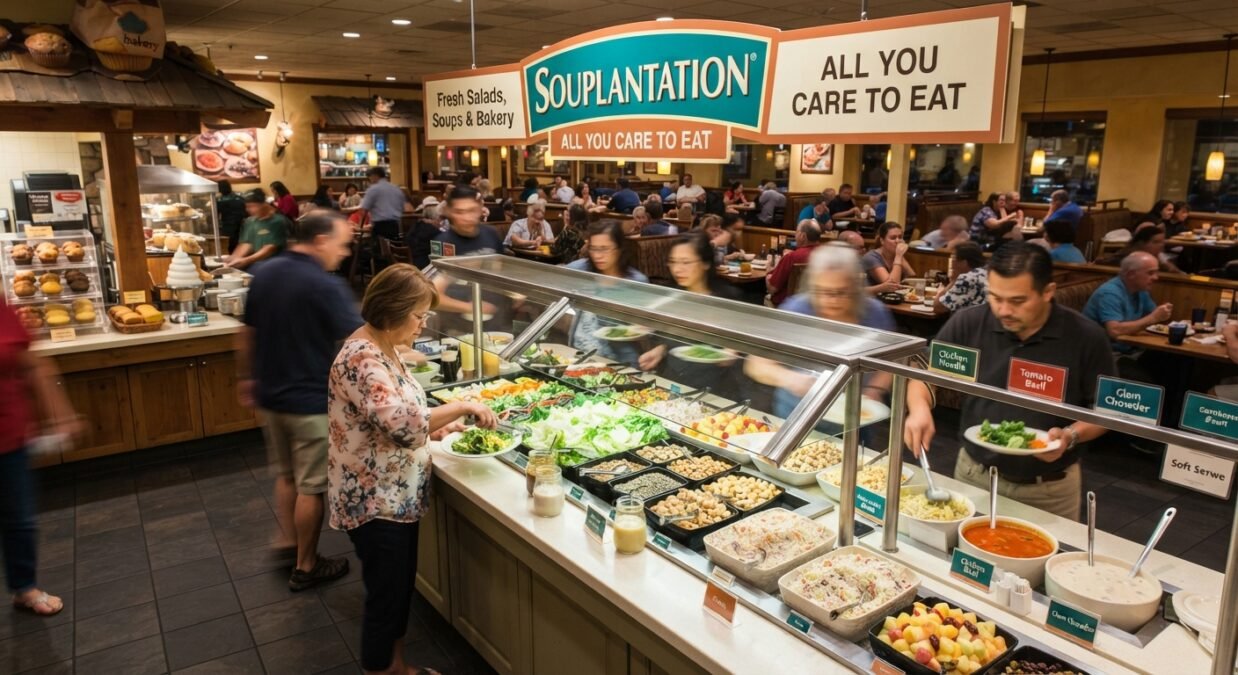

Introduction to souplantation
souplantation was a popular American restaurant chain known for its fresh salads, homemade-style soups, baked goods, pasta dishes, and friendly buffet-style dining experience. It became a favorite destination for families, friends, and people who enjoyed choosing their own meals from a wide range of options. The restaurant offered something different from traditional fast-food restaurants by allowing guests to build their plates according to their tastes.
For many customers, Souplantation was more than just a place to eat. It was a comfortable spot for family dinners, casual lunches, and weekend visits. Guests could enjoy a bowl of warm soup, prepare a colorful salad, add freshly baked bread, and finish their meal with a sweet dessert.
The restaurant was especially popular among people who appreciated variety and wanted several choices in one meal. Instead of ordering a single dish from a menu, customers could explore different flavors and return to the buffet for more of their favorite foods.
However, Souplantation’s story also includes a major business challenge. The chain closed its restaurants in 2020 during the COVID-19 pandemic, leaving many loyal customers disappointed. Even so, its name continues to attract interest from people who remember its food and those discovering its history for the first time.
This guide explains what Souplantation was, how its buffet worked, what food it served, why customers loved it, and what happened to the brand.
What Was Souplantation?
Souplantation was an American buffet restaurant chain that focused on soups, salads, and other freshly prepared foods. It was closely associated with the Sweet Tomatoes restaurant brand, which operated under the same parent company in many markets.
The restaurants offered a relaxed dining environment where customers could select food from different serving stations. The concept gave people the freedom to combine several dishes without being limited to one main course.
Unlike restaurants that focused mainly on burgers, fried foods, or large meat-based meals, Souplantation built its identity around vegetables, soups, pasta, fruit, bread, and desserts.
Its approach appealed to people who enjoyed a mix of lighter and more filling foods. A customer might begin with a fresh salad, enjoy a bowl of chicken soup, and finish with a muffin or another dessert.
The restaurant also attracted customers who liked having choices for the whole family. One person could enjoy a vegetable soup, while another could choose pasta, a baked potato, or a larger salad.
The Meaning Behind the Name
The name Souplantation combined the idea of soup with a plantation-style abundance of food. It helped communicate the restaurant’s focus on soup and a generous selection of buffet items.
The name was memorable and closely connected to the dining experience. Customers could expect multiple soups, salad ingredients, and other dishes rather than a limited menu.
Although the name sounded unusual, it helped the chain stand out in the competitive American restaurant industry.
The History of souplantation


6
The story of souplantation began in 1978 in San Diego, California. The restaurant was created to offer a different type of casual dining experience, combining a salad bar with a variety of soups and other foods.
At a time when many restaurant chains focused on burgers, fried foods, and traditional restaurant meals, Souplantation introduced a concept that gave customers more control over what they ate.
The idea proved popular, and the business gradually expanded into new communities.
From a Local Restaurant to a Recognized Brand
Souplantation grew beyond its original location and became a familiar name in Southern California. Its parent company, Garden Fresh Restaurant Corporation, helped develop the brand and expand its restaurant network.
The company also used the name Sweet Tomatoes in many markets outside Southern California. Although the two names differed, the restaurants shared a similar soup-and-salad buffet concept.
As the chain expanded, it attracted customers from different age groups and backgrounds. Families appreciated the variety, office workers enjoyed convenient lunches, and people looking for lighter meals valued the fresh salad options.
The chain eventually reached 97 restaurant locations across the United States before its closure in 2020. Its size reflected the popularity of the concept and the demand for casual, buffet-style dining.
What Food Was Available at souplantation?


One of the biggest reasons people visited souplantation was its wide selection of food. Rather than specializing in a single dish, the restaurant offered several stations with different flavors and textures.
The exact selection could vary by location and season, but customers commonly remembered the following categories.
Fresh Salad Bar
The salad bar was central to the restaurant’s identity. Customers could choose from different vegetables, toppings, and dressings to create a meal that suited their preferences.
Common salad ingredients included:
- Lettuce and leafy greens
- Tomatoes and cucumbers
- Carrots and other fresh vegetables
- Croutons and crunchy toppings
- Cheese and other additions
- A variety of salad dressings
- Prepared salads with different ingredients
This arrangement allowed guests to prepare a simple green salad or create a more filling combination with several toppings.
For example, someone who preferred a light lunch could select lettuce, cucumber, tomatoes, and a modest amount of dressing. Another customer might prefer a heartier salad with cheese, croutons, and prepared salad mixtures.
The flexibility made the restaurant attractive to people with different tastes.
Soups for Different Tastes
Soups were another important part of the souplantation experience. The restaurant offered warm options that worked well as a starter or a main part of a meal.
Depending on the location and menu, remembered varieties included:
- Chicken noodle soup
- Minestrone soup
- Clam chowder
- French onion soup
- Vegetable-based soups
- Seasonal and specialty soups
Minestrone, for example, offered a vegetable-focused choice, while clam chowder provided a richer and creamier option.
Having multiple soups available gave customers the opportunity to sample different flavors. On a cool day, a warm bowl of soup with freshly baked bread could be especially comforting.
Pasta and Hot Food Options
Although the chain was famous for salad and soup, it also served other dishes. Pasta and selected hot foods helped make the buffet more satisfying for guests who wanted a fuller meal.
Depending on the menu, customers could find pasta dishes, baked potatoes, and other prepared foods.
These options were particularly useful for families. Children who didn’t enjoy raw vegetables could choose a different dish, while adults could combine soup, salad, and hot food.
Freshly Baked Bread and Muffins
Baked goods were another memorable part of the experience.
Guests often associated Souplantation with items such as focaccia bread, muffins, and other bakery selections. These foods added warmth and variety to the buffet.
A piece of bread could accompany a bowl of soup, while a muffin could serve as a sweet finish to lunch.
The availability of these items also helped distinguish Souplantation from restaurants that offered only salads and cold foods.
Desserts and Sweet Treats
Desserts gave customers one more reason to enjoy the meal. Depending on the restaurant, choices could include fruit, baked sweets, and soft-serve ice cream.
Families with children often appreciated having dessert available without needing to visit another restaurant.
Of course, dessert choices varied, and not every item was available at every location or time.
How the souplantation Buffet Experience Worked
The buffet format made souplantation different from traditional table-service restaurants.
Instead of waiting for a server to bring every dish, guests moved through the serving stations and selected the food they wanted.
The general experience followed a simple pattern:

Choose your salad
Begin with greens, vegetables, toppings, and a dressing that matches your taste.

Explore the soups
Select a warm soup to enjoy with your salad or as a separate course.

Add a filling side
Choose bread, pasta, a baked potato, or another available dish.

Finish with dessert
Enjoy fruit, a baked treat, or ice cream when available.
The self-service arrangement gave customers more freedom over portion sizes and food combinations. Guests could try a little of several dishes instead of committing to one large entree.
Another advantage was the informal atmosphere. Customers could focus on conversation and food without following a strict dining routine.
Still, buffet dining requires careful attention to food hygiene. Shared utensils, proper food temperatures, clean serving stations, and regular replacement of food are important parts of safe service.
Why Customers Loved souplantation


5
Souplantation built a loyal customer base because it offered a combination of variety, convenience, and a relaxed environment.
A Meal for Different Preferences
Families rarely have identical food preferences. One person might want a large salad, another might prefer soup, and a child might be more interested in pasta or bread.
Souplantation brought these choices together in one place.
This made family dining easier because people didn’t have to agree on a single dish or visit multiple restaurants to find something they liked.
Freedom to Try Different Foods
The buffet encouraged exploration. Customers could sample different soups, mix salad ingredients, and discover new combinations.
This was especially appealing to people who liked variety or didn’t want the same meal every time they visited.
Rather than choosing a fixed combination, guests could decide how to build their meal.
A Comfortable Atmosphere
Souplantation was associated with casual dining rather than formal occasions. Guests could visit for an ordinary weekday lunch, a family dinner, or a meal with friends.
Its relaxed atmosphere was part of its appeal. Customers didn’t need a special reason to visit.
Perceived Value
The buffet format also gave customers a clear idea of what their dining experience included. Instead of paying separately for each bowl of soup or plate of salad, guests generally paid a set price for the buffet.
That could be appealing to people who wanted to try several foods in one visit. However, whether it offered good value depended on the local price, the customer’s appetite, and the foods available.
Nostalgia and Familiarity
For longtime customers, Souplantation became connected with everyday memories.
A restaurant that people visit repeatedly can become part of their routine. They may remember eating there after school, meeting friends for lunch, or visiting with relatives.
When the chain closed, these familiar experiences disappeared. That helps explain why its name continued to attract attention even after its restaurants stopped operating.
Was souplantation a Healthy Place to Eat?
Souplantation offered several foods that could fit into a balanced diet, especially vegetables, fruit, and vegetable-based soups. However, the nutritional value of a meal depended on what a customer selected and how much they ate.
A buffet isn’t automatically healthy simply because it includes salad. Dressings, cheese, croutons, creamy soups, desserts, and portion sizes can significantly affect a meal’s overall nutritional content.
Foods That Could Support a Balanced Meal
Customers seeking a balanced meal could consider:
- Filling part of their plate with a variety of vegetables.
- Choosing vegetable-based soups when suitable.
- Including fruit when available.
- Adding a reasonable portion of bread or another grain-based food.
- Choosing dressings and toppings according to personal preferences.
- Paying attention to hunger and fullness rather than eating more simply because food is available.
Protein options, ingredients, and nutrition information varied by dish. Customers with specific dietary needs would need to check the ingredients rather than assume that a food was suitable.
Comparing Different Meal Choices
| Meal choice | Possible benefit | What to consider |
|---|---|---|
| Vegetable salad | Provides vegetables and variety | Dressing and toppings affect nutrition |
| Minestrone soup | May offer vegetables and beans | Sodium levels can vary |
| Creamy soup | Can be filling and comforting | May contain more saturated fat |
| Bread or muffins | Provides energy and carbohydrates | Portion size matters |
| Fruit | Provides fiber and vitamins | Availability may vary |
| Soft-serve ice cream | Enjoyable dessert | Usually contains added sugar |
The table provides general nutritional guidance, not verified nutritional figures for individual Souplantation recipes.
People managing food allergies, diabetes, high blood pressure, or other dietary concerns should seek reliable ingredient and nutrition information before choosing a meal. Buffet dishes can also come into contact with shared serving utensils, so allergy safety requires particular care.
souplantation and Sweet Tomatoes: What’s the Difference?
Many people search for Souplantation and Sweet Tomatoes as if they were separate restaurant concepts. In fact, they were closely connected brands operated under the same parent company.
The Souplantation name was primarily used in Southern California, while Sweet Tomatoes was used in many other areas. The food concept was broadly similar, with a focus on soup, salad, and complementary buffet items.
+1
| Feature | Souplantation | Sweet Tomatoes |
|---|---|---|
| Main concept | Soup and salad buffet | Soup and salad buffet |
| Brand relationship | Part of Garden Fresh Restaurants | Sister brand under Garden Fresh Restaurants |
| Main historical market | Southern California | Many markets outside Southern California |
| Food style | Salads, soups, sides, baked goods, and desserts | Similar buffet-style selection |
| Historical identity | Regional restaurant name | Name used in other markets |
The most important difference was the branding and regional market, not an entirely different restaurant model.
Customers who moved between areas could encounter a different name while recognizing a familiar approach to dining.
Why Did souplantation Close?

The closure of souplantation in 2020 was a major turning point in the brand’s history.
In March 2020, the restaurant chain temporarily shut its locations during the early stages of the COVID-19 pandemic. Public-health measures and concerns about shared serving stations created serious challenges for businesses that depended on self-service buffets.
On May 7, 2020, the company announced that all its Souplantation and Sweet Tomatoes restaurants would close permanently. At the time, the chain had 97 locations and approximately 4,400 employees.
Los Angeles Times
+1
The Challenge of Self-Service Dining
Souplantation’s main strength was also a major weakness during the pandemic.
Its business model depended on customers serving themselves from shared buffet stations. When health concerns and restrictions made this format difficult to operate, the company faced a problem that was hard to solve without changing the core experience.
Switching to delivery or takeaway wasn’t an easy answer. The restaurant’s appeal depended on customers walking through the buffet, choosing their own food, and returning for additional servings.
Changing that system would have required more than a simple menu adjustment.
Financial Pressure
The chain also faced financial difficulties. Its parent company had previously filed for bankruptcy protection in 2016, before the pandemic began.
Although the business had been working on improvements, the sudden decline in restaurant visits and the challenges of reopening made its position increasingly difficult.
The parent company subsequently filed for Chapter 7 liquidation in May 2020.
Nation’s Restaurant News
+1
The Effect on Employees and Customers
The closure affected thousands of workers, along with customers who had made the restaurants part of their routines.
Employees lost their jobs, while customers lost a familiar dining option. The closure also demonstrated how quickly a restaurant business can be affected by events outside its control.
Souplantation’s experience remains an example of the risks faced by businesses that rely on a specific dining format.
Is souplantation Coming Back?
Interest in a possible return has continued because many former customers remember the restaurant fondly. The latest reports also provide a reason for renewed attention.
As of October 2026, recent reporting indicates that Souplantation is planned to return to Southern California in 2027, with a proposed location in Fountain Valley. The announcement points toward a comeback of the familiar brand, although the planned opening is in the future and details may change.
SFGATE
+1
The related Sweet Tomatoes brand has also seen activity following the original chain’s closure, including reported reopenings in selected markets.
However, it is important to distinguish between a planned reopening and a restaurant that is already serving customers.
What Customers Should Know
Anyone hoping to visit a returning Souplantation location should check the latest official announcements before making plans.
In particular, look for:
- The confirmed opening date.
- The exact restaurant address.
- Updated opening hours.
- The menu and buffet format.
- Current prices and payment policies.
- Any changes to food service or dining arrangements.
An announcement about a planned reopening doesn’t guarantee that every former location will return.
For the most reliable information, check the brand’s official website or verified social media accounts when new details become available.
How to Find souplantation Locations and Updates
Searching for Souplantation can produce old restaurant listings, historical reviews, photographs, and outdated opening hours. This can make it difficult to know whether a location is actually operating.
A careful search can help prevent confusion.
Use Current Information
Follow these steps when checking a restaurant’s status:
- Search for the restaurant name along with the city.
- Check the date of the latest announcement.
- Look for an official brand statement.
- Confirm the location’s opening status before travelling.
- Verify the address and operating hours independently when possible.
Be cautious with third-party directories that still display old locations. A listing may remain online even when a restaurant has closed.
Look for Verified Brand News
A reliable update should identify the restaurant, provide a location, and explain whether the news concerns a planned opening or an active business.
Social media posts can be useful, but it is best to confirm important details through an official announcement or reputable local news outlet.
This is especially important when a restaurant brand is undergoing a relaunch.
What Made souplantation Different From Other Buffet Restaurants?
Souplantation stood out because it focused on soups, salads, and complementary foods instead of building its identity around traditional buffet staples alone.
Many buffet restaurants emphasize large hot-food selections, meat dishes, or a broad range of international foods. Souplantation offered a more focused approach, although its menu included more than just vegetables and soup.
Its concept also gave customers control over their meal.
For example, a guest could enjoy a small bowl of soup and a simple salad, while another could combine pasta, bread, several soups, and dessert.
This flexibility made the restaurant appealing to people with different appetites and preferences.
Another distinguishing feature was the connection between the menu and the brand name. The emphasis on soup and salad made the concept easy to understand.
In a competitive restaurant market, a clear identity can help a business attract customers and encourage repeat visits.
Lessons Other Restaurants Can Learn From souplantation
The history of souplantation offers useful lessons for restaurant owners and food businesses.
Build a Clear Identity
Customers should understand what a restaurant offers and why it is different.
Souplantation developed a recognizable identity around soup, salad, and casual buffet dining. That clear concept helped people remember the brand.
Offer Choices Without Making the Experience Confusing
A broad selection can attract customers, but it must be organized well.
Buffet stations need clear labels, sensible food placement, and efficient service. Customers should be able to understand their options without unnecessary difficulty.
Prepare for Unexpected Changes
Restaurants must be able to respond to changing customer needs, public-health concerns, supply problems, and rising operating costs.
Souplantation’s closure demonstrated the risks of depending heavily on a single service model. A business that can adapt may have more options during a crisis, although adaptation alone cannot guarantee success.
Protect the Customer Experience
A restaurant is not only about food. Cleanliness, comfort, service, value, and consistency all influence whether people return.
Souplantation’s lasting popularity shows how a familiar dining experience can remain meaningful to customers even after the business itself has stopped operating.
Frequently Asked Questions About souplantation
What was souplantation famous for?
Souplantation was famous for its all-you-can-eat soup and salad buffet, along with pasta, baked goods, baked potatoes, and desserts. Its flexible dining format allowed customers to choose different foods in one visit.
When did souplantation first open?
The first Souplantation restaurant opened in San Diego, California, in 1978. The brand later expanded into additional markets under the Souplantation and Sweet Tomatoes names.
Los Angeles Times
+1
Why did souplantation close?
The chain announced the permanent closure of all its restaurants in May 2020 during the COVID-19 pandemic. Restrictions and concerns surrounding self-service dining, combined with financial pressures, made it difficult for the business to reopen.
Los Angeles Times
+1
Is Souplantation the same as Sweet Tomatoes?
They were closely related restaurant brands operated by Garden Fresh Restaurants. Souplantation was mainly used in Southern California, while Sweet Tomatoes was used in many other markets.
Is souplantation reopening?
Recent reports indicate a planned return to Southern California in 2027, with Fountain Valley identified as the proposed location. Customers should confirm the opening date and operating details before visiting.
SFGATE
+1
What type of food did Souplantation serve?
Its menu included fresh salads, vegetables, soups, pasta, baked potatoes, bread, muffins, fruit, and desserts. Available items varied by location and time.
Was Souplantation suitable for vegetarians?
The restaurant offered several vegetable-based choices, including salads and certain soups. However, not every dish was vegetarian, and ingredients could vary. Customers following a vegetarian diet needed to check individual recipes.
Was Souplantation a healthy restaurant?
It offered foods that could form part of a balanced meal, including vegetables and some vegetable-based soups. However, the nutritional value depended on portion sizes, toppings, dressings, soups, and desserts.
Conclusion: Why souplantation Still Matters
souplantation remains a memorable name in American restaurant history because it offered a simple but appealing idea: let people enjoy a variety of soups, salads, and other foods in one comfortable place.
From its beginnings in San Diego in 1978 to its expansion across the United States, the restaurant developed a loyal following through its buffet format, flexible meal choices, and relaxed atmosphere. Its closure in 2020 marked the end of an important chapter for the original restaurant network, but the brand continued to attract attention from former customers and new readers interested in its history.
The reported plan to bring Souplantation back to Southern California in 2027 has renewed interest in the chain. Still, customers should follow official updates to learn when and where a new location will actually open.
Ultimately, the story of souplantation is about more than soup and salad. It highlights the importance of customer experience, the challenges of running a restaurant business, and the lasting connection people can develop with a familiar place to eat.
Souplantation and Its Lasting Popularity
souplantation remains a well-known name among people who enjoy casual dining and buffet-style restaurants. Although the original restaurant chain closed in 2020, many former customers still remember its fresh salads, warm soups, freshly baked bread, and welcoming atmosphere.
What made the restaurant special wasn’t simply the number of dishes available. It was the freedom to build a meal according to personal taste. Customers could enjoy a small lunch, try several soups, or create a large meal with salad, pasta, and dessert.
The restaurant also offered a comfortable environment for people who wanted to spend time together without the formality of fine dining. For many families, a visit to Souplantation was an ordinary but enjoyable part of life.
Today, the brand continues to attract attention because people want to know whether it will return, what its original menu included, and why its buffet concept became so popular.
The Most Memorable Souplantation Menu Items


7
The Souplantation menu offered a variety of foods, allowing customers to enjoy different flavors in one visit. Although the menu varied by location and season, several categories became closely connected with the brand.
Fresh Salads and Colorful Vegetables
The salad bar was one of the restaurant’s main attractions. Customers could choose their favorite vegetables, toppings, and dressings rather than ordering a prepared salad.
Popular ingredients included lettuce, tomatoes, carrots, cucumbers, and other vegetables. Additional toppings helped customers create different combinations.
For people who enjoyed fresh food, this setup made lunch feel flexible and personal. A simple green salad could be enough for one guest, while another could create a more filling meal with several toppings.
Warm Soups for Comfort
Soups played an important role in the restaurant’s identity. Depending on the location, customers could find options such as minestrone, chicken noodle soup, and creamy soups.
A warm bowl of soup could make a meal more satisfying, especially when paired with bread or salad. Customers could also sample different flavors instead of choosing just one soup.
Bread, Muffins, and Baked Goods
Baked goods added another layer to the dining experience. Bread could accompany soup, while muffins and other baked items offered a sweet or filling addition.
These familiar foods helped create the feeling of a complete meal rather than a visit to a salad-only restaurant.
Desserts for a Sweet Finish
Desserts provided a pleasant way to finish a meal. Depending on the location and menu, guests could enjoy fruit, baked treats, or soft-serve ice cream.
The combination of savory and sweet options was particularly convenient for families with different food preferences.
Why the Souplantation Salad Bar Was Different
The salad bar was more than a side station. It was central to the restaurant’s identity and gave customers control over what went onto their plates.
At many traditional restaurants, customers select one salad from a printed menu. At Souplantation, they could combine ingredients themselves.
This offered several benefits:
- Personal choice: Customers could select ingredients they enjoyed.
- Variety: Different toppings made it easy to change a meal from one visit to another.
- Flexible portions: Guests could take amounts that suited their appetite.
- Meal combinations: Salads could be enjoyed alongside soup, bread, pasta, and other available foods.
- Family convenience: People with different preferences could find options in one restaurant.
However, buffet food still requires careful handling. Shared utensils, food temperatures, and ingredient information are important, particularly for people with food allergies.
How Souplantation Created a Family-Friendly Experience

Family dining can be difficult when everyone wants something different. Souplantation addressed this challenge by offering several types of food in one place.
Adults could choose salads and soups, while children could select bread, pasta, or other familiar dishes when available. The casual setting also made the restaurant suitable for everyday lunches and dinners.
Another benefit was the relaxed pace. Guests could talk, eat, and enjoy time together without feeling that they had to follow a formal dining routine.
For many customers, these small details became part of the restaurant’s appeal. A favorite meal, a familiar table, or a regular family visit could turn an ordinary restaurant into a place filled with memories.
Souplantation Compared With Traditional Restaurants
Souplantation used a different service model from restaurants where customers order individual dishes and wait for them to arrive.
| Feature | Souplantation’s original model | Traditional table-service restaurant |
|---|---|---|
| Food selection | Multiple buffet stations | Usually selected from a menu |
| Serving style | Self-service | Generally served by staff |
| Meal customization | Customers build their own combinations | Depends on menu and substitutions |
| Variety in one visit | Several dishes can be sampled | Often limited by individual orders |
| Dining atmosphere | Casual and informal | Varies by restaurant |
| Pricing structure | Generally buffet-based | Often priced per dish |
Neither format suits every customer. Buffet dining offers variety and flexibility, while traditional restaurants may provide more individualized service and freshly prepared dishes made to order.
Souplantation’s appeal came from offering a particular kind of experience that customers couldn’t easily reproduce at every restaurant.
What Happened to Souplantation After 2020?
Souplantation and its sister brand, Sweet Tomatoes, closed their original restaurant network in May 2020 during the COVID-19 pandemic.
The self-service buffet format faced significant challenges during that period. At the same time, the business had financial difficulties that made recovery harder.
The closure affected employees and customers across the chain. Former guests lost a familiar dining destination, while workers faced sudden changes in their employment.
Since then, interest in the brand has continued through old menu discussions, restaurant photographs, online searches, and news about a possible return.
It is important to remember that historical restaurant pages may still appear in search results. An old address or customer review doesn’t automatically mean that a restaurant is open today.
Is Souplantation Coming Back in 2027?
Interest in a Souplantation comeback has increased following reports of a planned return to Southern California in 2027, with Fountain Valley mentioned as a proposed location.
However, a planned reopening and an operating restaurant are two different things. Opening dates, addresses, menus, and business arrangements can change before a new location begins serving customers.
If you’re hoping to visit, check official brand announcements and recent local news before travelling. Look for a confirmed opening date, current hours, and an up-to-date menu.
Customers should also avoid assuming that all former locations will reopen. A brand’s return in one city doesn’t guarantee that restaurants will return throughout the country.
Could the Original Souplantation Menu Return?
One of the biggest questions among former customers is whether a returning Souplantation would serve the same foods they remember.
The original concept was built around soups, salads, bakery items, and other buffet dishes. These foods helped create the restaurant’s familiar identity.
A future restaurant could choose to preserve much of that approach while making changes to suit current customer needs and operating conditions.
For example, a returning location might review:
- Which soups and salads customers remember most.
- How to maintain freshness throughout service.
- Whether to offer new seasonal menu choices.
- How to communicate ingredients and allergens.
- How to manage food waste and serving portions.
- How to keep the buffet clean and organized.
These are possible business considerations, not confirmation of a specific future menu. Customers should wait for an official menu announcement before assuming that particular dishes will be available.
Lessons Food Businesses Can Learn From Souplantation
The history of Souplantation provides useful lessons for restaurants and food businesses.
Customer Choice Can Build Loyalty
Offering a clear range of choices can help customers find something they enjoy. Souplantation allowed guests to combine different foods and create meals that suited their preferences.
Consistency Matters
Customers often return to restaurants because they know what to expect. Consistent food quality, clean dining areas, and helpful service can encourage repeat visits.
Businesses Need to Adapt
The pandemic showed how quickly circumstances can change. Restaurants need to consider food safety, operating costs, customer expectations, and alternative service options when planning for the future.
A Recognizable Brand Has Lasting Value
Even after a business closes, customers may continue searching for its name. Strong memories, recognizable menu items, and a distinct dining concept can keep a brand relevant for years.
However, nostalgia alone cannot guarantee that a restaurant will succeed if it returns. A reopening must also meet current customer needs and operate successfully as a business.
Frequently Asked Questions About Souplantation
Why do people still search for Souplantation?
People search for the restaurant because they remember its buffet, want to learn why it closed, or hope to find news about a reopening.
What made Souplantation popular?
Its combination of fresh salads, soups, bakery items, desserts, and casual self-service dining gave customers variety in one location.
Was Souplantation the same as Sweet Tomatoes?
They were closely related brands operated by the same parent company. Souplantation was mainly used in Southern California, while Sweet Tomatoes was used in many other markets.
Can I visit an original Souplantation location today?
The original restaurant network closed in 2020. Check current official announcements before visiting any location advertised under the brand name.
Will the old buffet return?
Reports have discussed a planned return to Southern California, but the precise service format and menu should be confirmed through official announcements.
Conclusion
souplantation built its reputation by making casual dining flexible, welcoming, and full of choices. Its salad bar, warm soups, bakery items, and desserts created a distinctive experience that many customers still remember.
Its closure in 2020 showed the challenges that restaurant businesses can face when their main service model becomes difficult to operate. At the same time, continuing public interest demonstrates how a familiar brand can remain part of people’s memories long after its original restaurants close.
With reports of a possible return in 2027, Souplantation’s next chapter is attracting attention. For now, the best way to follow its story is to look for verified announcements and confirmed opening details.
Ultimately, souplantation represents more than a buffet restaurant. It reflects the value of food variety, customer choice, and the memories people create around a shared meal.
Explore more insightful articles on All Vantage News and never miss an update.Contact Us.